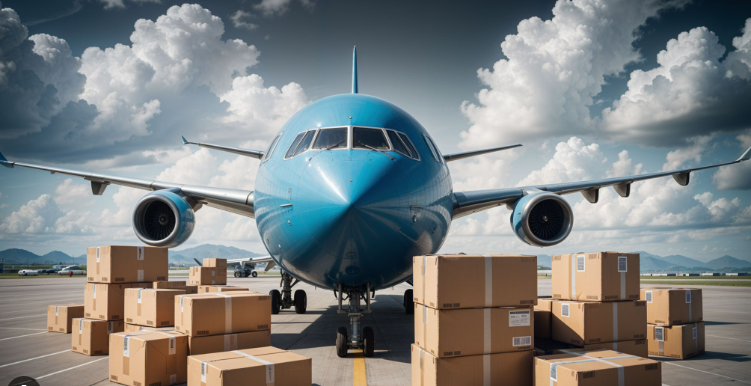
In the fast-paced world of international trade, choosing the right shipping method can be a critical decision for businesses. While sea freight and road transport each have their merits, air freight stands out for its speed, efficiency, and reliability, offering unique advantages that can significantly impact a company’s supply chain and bottom line. So, what are the benefits of air freight shipping? Let’s explore the key reasons why businesses opt for this swift mode of transport at NR Global Logistics.
NR Global Logistics understands the intricacies of global logistics and the importance of timely deliveries. Air freight, despite often being perceived as more expensive, offers a compelling set of benefits that justify its cost for certain types of goods and business needs. It’s not just about getting products from point A to point B; it’s about optimising efficiency, reducing risks, and enhancing customer satisfaction.
The Undeniable Advantages of Choosing Air Freight
One of the most significant benefits of air freight is its speed. When time is of the essence, air cargo is unmatched. It drastically reduces transit times, making it ideal for urgent shipments, perishable goods, high-value items, or products with a short shelf life. This speed allows businesses to respond quickly to market demands, meet tight deadlines, and maintain a lean inventory, reducing storage costs.
Beyond speed, air freight offers enhanced security. Airports and airlines operate under strict security protocols, meaning cargo is subject to rigorous checks and continuous monitoring. This reduces the risk of theft, damage, and loss, providing businesses with greater peace of mind, especially when transporting valuable or sensitive goods. The careful handling procedures also minimise the chance of product damage during transit.
Another crucial benefit is the reliability and predictability of air freight schedules. Flights generally adhere to fixed timetables, making it easier for businesses to plan their logistics with greater accuracy. While unforeseen circumstances can cause delays, air freight is generally less susceptible to the disruptions that can plague sea or road transport, such as port congestion, road closures, or adverse weather conditions over vast stretches of ocean. This predictability aids in inventory management and supply chain planning.
Air freight also provides global reach. Airlines connect almost every major city and region worldwide, offering unparalleled access to international markets. This extensive network enables businesses to ship to and from remote locations that might be difficult or impossible to reach efficiently through other modes of transport. This broad accessibility can open up new opportunities for market expansion.
Furthermore, air freight often results in lower insurance premiums. Due to the shorter transit times and heightened security measures, the overall risk associated with air cargo is typically lower. This reduced risk translates into more affordable insurance costs for businesses, offering another layer of financial benefit.
Finally, air freight offers reduced warehousing costs. With faster transit times, businesses can operate with lower inventory levels, reducing the need for extensive warehousing and its associated expenses. This just-in-time delivery capability allows for more efficient cash flow and resource allocation.
In conclusion, while each shipping method has its place, the benefits of air freight shipping — including its unparalleled speed, superior security, reliable schedules, global reach, lower insurance premiums, and reduced warehousing costs — make it an invaluable tool for businesses aiming for efficiency, reliability, and responsiveness in their international supply chains. For time-sensitive, high-value, or urgent shipments, air freight often proves to be the most advantageous choice.