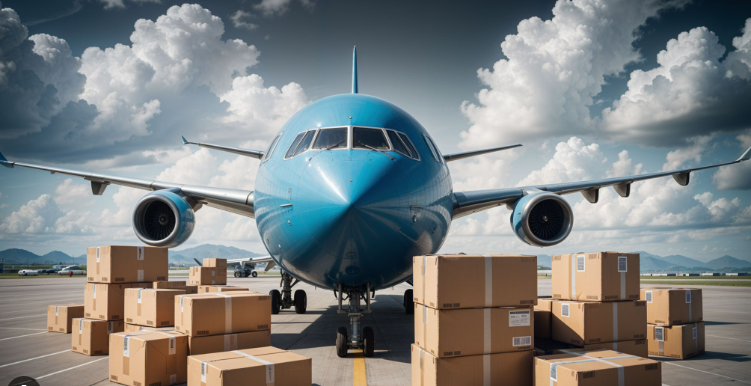
In today’s fast-paced global economy, the efficient movement of goods is paramount. For businesses operating within and beyond the United Kingdom, air logistics offers a critical pathway for time-sensitive and high-value shipments. Understanding the intricacies of air logistics in the UK is essential for companies seeking speed, reliability, and global reach.
Air logistics in the UK encompasses the entire process of transporting goods via air freight within, into, and out of the country. This includes everything from the initial collection of goods to their final delivery, involving a complex network of airports, airlines, freight forwarders, customs brokers, and ground transportation providers. The UK’s strategic location and well-developed airport infrastructure make it a significant hub for international air cargo.
Key Components of Air Logistics in the UK:
Several key players and processes contribute to the smooth operation of air logistics in the UK:
- Airports: The UK boasts a number of major international airports equipped to handle substantial cargo volumes. London Heathrow (LHR), East Midlands Airport (EMA), and Manchester Airport (MAN) are prominent examples, each offering specialised cargo handling facilities and connections to global air networks. These airports provide the necessary infrastructure for loading, unloading, and transferring freight efficiently.
- Airlines: Numerous cargo airlines and passenger airlines with cargo divisions operate in and out of the UK, offering a range of services from express shipments to large-scale freight transport. These carriers provide the aircraft capacity and the logistical expertise to move goods across vast distances.
- Freight Forwarders: These companies act as intermediaries between shippers and airlines. They handle the complexities of booking cargo space, preparing documentation (including customs declarations), arranging transportation to and from airports, and tracking shipments. Choosing the right freight forwarder is crucial for a seamless air logistics experience in the UK.
- Customs Brokers: Navigating customs regulations is a vital aspect of international air freight. Customs brokers specialise in handling import and export procedures, ensuring compliance with UK and international regulations, and facilitating the smooth clearance of goods.
- Ground Transportation: Efficient ground transportation links are essential for the effective movement of goods to and from airports. This includes trucking companies that handle the first and last mile of the journey, ensuring timely delivery to the final destination.
Advantages of Air Logistics in the UK:
While often more expensive than other modes of transport, air logistics in the UK offers significant advantages for certain types of cargo:
- Speed: This is the most significant advantage. Air freight is the fastest way to move goods over long distances, making it ideal for time-critical shipments, such as pharmaceuticals, perishable goods, and urgent spare parts.
- Reliability: Airlines operate on strict schedules, offering a high degree of predictability for delivery times. This reliability is crucial for businesses with tight deadlines and just-in-time inventory management.
- Global Reach: Air logistics in the UK provides access to an extensive global network, connecting businesses to markets worldwide. This is particularly important for companies involved in international trade.
- Security: Airports and airlines have stringent security measures in place to protect cargo, reducing the risk of theft or damage during transit.
- Reduced Inventory Costs: The speed and reliability of air freight can allow businesses to reduce their inventory holding costs, as goods can be transported quickly when needed.
Challenges of Air Logistics in the UK:
Despite its advantages, air logistics also presents certain challenges:
- Cost: Air freight is generally more expensive than sea or road transport, making it less suitable for low-value or non-time-sensitive goods.
- Environmental Impact: Air transport has a higher carbon footprint compared to other modes of freight, raising environmental concerns for some businesses.
- Weather Dependency: While generally reliable, air travel can be affected by adverse weather conditions, potentially causing delays.
- Regulations and Documentation: International air freight involves complex customs regulations and documentation requirements, which can be time-consuming and require expertise.
The Future of Air Logistics in the UK:
The air logistics sector in the UK is constantly evolving. Technological advancements, such as improved tracking systems and drone technology, are likely to play an increasingly significant role in enhancing efficiency and visibility. Sustainability initiatives aimed at reducing the environmental impact of air freight are also gaining momentum. Furthermore, the UK’s post-Brexit trade landscape continues to shape the demands and complexities of air logistics in the UK.
For businesses in the UK requiring swift and dependable transportation of valuable or time-critical goods, understanding the nuances of air logistics in the UK is crucial. By partnering with experienced logistics providers like NR Global Logistics, companies can navigate the complexities of air freight and leverage its advantages to achieve their business objectives. Air logistics in the UK remains a vital component of the national and international supply chain, facilitating trade and connecting businesses across the globe.